The essential work behind everyday life in our community

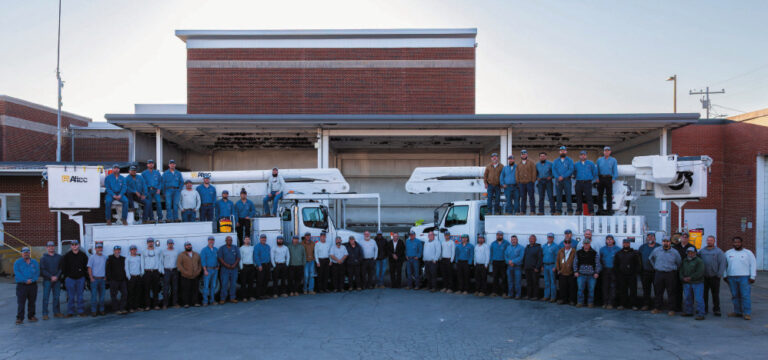
Before sunrise, while much of the community is still asleep, crews from Fayetteville Public Utilities (FPU) may already be responding to a water main break, restoring overnight power outages, checking wastewater systems, repairing fiber communication lines, trimming trees near utility lines or preparing for another day of maintaining the infrastructure that keeps Fayetteville and Lincoln County running smoothly.

Their work is rarely noticed unless something goes wrong, but every day, in every season, FPU employees provide the essential services that homes, businesses, schools and industries depend on.

From electric power and clean drinking water to wastewater treatment, natural gas delivery, telecommunications and vegetation management, utility crews work behind the scenes under demanding conditions to keep life moving without interruption.

This spring, FPU is highlighting that commitment through several annual observances, including Natural Gas Utility Workers’ Day in March, Tennessee Lineworker Appreciation Day in April and National Safe Digging Month in April.

“Our utility crews play an important role in the lives of our customers and community,” said FPU CEO/ General Manager Britt Dye.

“They care about those they serve and about one another.

Their dedication, teamwork and strong sense of duty are reflected in the work they do each day.”

Across the utility system, employees in every department share the same responsibility of being ready whenever the community calls. Crews work year-round to maintain infrastructure, monitor systems and address issues before they become larger problems.

That work includes routine maintenance, inspections and preventive efforts that help keep services reliable for customers. Vegetation management is one part of that ongoing work, as tree trimming crews remove limbs and overgrowth near utility lines to reduce the risk of outages, equipment damage and unsafe conditions during storms while also allowing crews safer access when repairs are needed.

That commitment to serving the community becomes most visible during severe weather.

When storms move through the area, utility workers often leave their own homes and families to respond in dangerous conditions, working long hours to restore services and stabilize systems as quickly and safely as possible.

“When disaster strikes, our crews have a reputation for answering the call,” Dye said. “Whether that means working through the night to restore services, responding in extreme temperatures or assisting during emergencies, our employees understand the importance of serving their community when they are needed most.”

That same reputation has taken FPU crews well beyond Lincoln County. Over the years, utility workers have volunteered through mutual aid assignments to assist communities in other states after hurricanes, tornadoes and other disasters, often spending days and sometimes weeks away from home under difficult and unpredictable conditions.

FPU has built strong, dependable partnerships with the Fayetteville Fire Department, Fayetteville Police Department and the Lincoln County Sheriff’s Department.

By maintaining open communication and mutual trust, FPU crews are able to respond efficiently alongside first responders at fire scenes, vehicle accidents and other emergency situations. This coordination ensures that utilities are secured quickly, hazards are minimized and everyone is protected.

Continuous training and preparation are essential across all utility departments.

Employees in electric, water, wastewater, natural gas and telecom services regularly complete safety instruction, technical certifications and hands-on exercises to stay ready for both routine operations and emergency response.

“Safety is always our top priority for both employees and customers,” Dye said.

“Ongoing training helps employees stay prepared, adapt to changes in the industry and continue providing reliable service to the community.”

Safety depends not only on training but also on public awareness when crews are working along roads. Utility trucks are frequently stationed along busy streets and highways while employees repair lines, inspect systems or respond to outages.

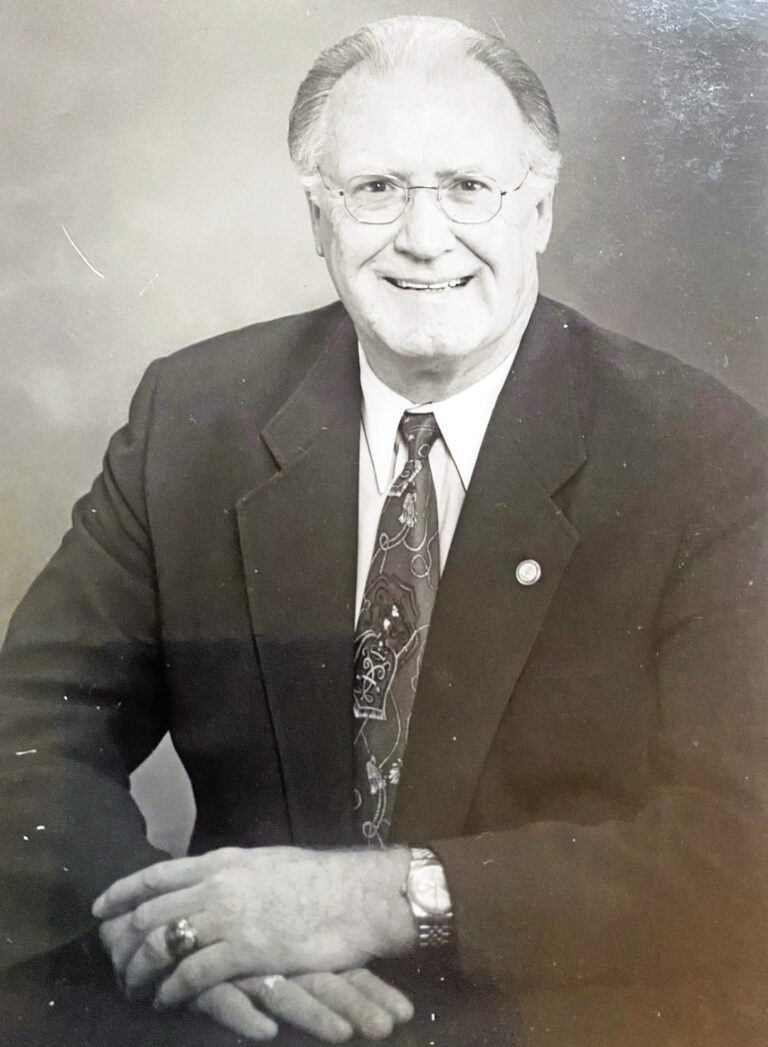
“Our utility crews play an important role in the lives of our customers and community. They care about those they serve and about one another. Their dedication, teamwork and strong sense of duty are reflected in the work they do each day.”

Britt Dye

FPU CEO/General Manager

Under Tennessee’s Move Over Law, drivers are required to move over when possible or slow down when approaching utility crews and service vehicles with flashing lights.

The law is designed to protect workers operating only a few feet from traffic, often in low visibility, bad weather or emergency conditions. One distracted driver can create life-threatening danger for crews already working in hazardous environments.

April also serves as an important reminder for public safety through National Safe Digging Month. FPU encourages homeowners, contractors and property owners to contact Tennessee 811 at least three business days before digging for projects such as fencing, landscaping, mailbox installation or excavation.

Underground electric, water, wastewater, natural gas and communication lines are marked using paint, flags or stakes so projects can move forward safely.

For FPU, these annual observances are not simply dates marked on a calendar, but reminders of the men and women whose hard work quietly supports nearly every part of daily life in Lincoln County.

Long before most people begin their day and often long after others have gone home, utility employees remain at work maintaining the systems most people depend on without a second thought.

Whether it’s operating substations that distribute electricity across the community, trimming trees to prevent outages, repairing a water line before sunrise, monitoring wastewater operations through the night, responding to a natural gas emergency or keeping communication systems connected, FPU employees continue to provide the essential services that allow the community to function without recognition, but always with purpose.